

Scaling through HealthCare Device Procurement Challenges
One of the integral factors that divine the proper regulation of health and effective distribution of service in a healthcare sector is its medical device procurement. This is a vast field in medical care that encompasses the purchase of medical devices, commodities, goods, machinery, and even the commission of healthcare structures development.
In some cases, most healthcare organizations grant limited attention to the impact of medical procurement. Yet, many healthcare factors and also medical treatments are greatly influenced by medical device procurement. To create an efficient medical distribution and management, some set of challenges need to be overcome. Although, it’s not simple to navigate medical device procurement challenges.
Many times, medical personnel encounter a wide range of challenges to obtain the facilities needed for productive patient treatments that range from supply network delays to intricate rules and regulations. In this article, we will be taking a deeper look into the key considerations in medical device selection, strategies for cost-effective procurement, and tips for building strong relationships with suppliers.
Key Considerations in Medical Device Selection
Looking into the aspect of medical device selection during procurement, there are likely risks at the clinical stage that are bound to occur but at a considerable degree. To minimize device risk intensity, some key factors are to be considered when selecting a medical device. Fasten your seat, as we explore these factors together:
1. Compliance with Functions and Regulations:
A major factor that should be put into consideration is the ability of a medical device to fulfill its functional purpose. Also, It is crucial to confirm the medical device regulatory compliance and if been approved and granted the required certificate from medical agencies eg. FDA, CE, WHO, etc.
2. Economic Viability:
While considering every other factor, one of the key elements to be evaluated is the device cost and total expense. However, the economic viability of a device should not only center on its cost but also a great consideration of its improvement possibilities, impact on patient outcome, and functional efficacy.
3. Device Production and Design:
There are countless manufacturers in the healthcare sector that are known for the type of product they produce. Knowing the manufacturer’s reputation is an integral factor that helps in understanding the quality of the producer and its product. Also, proper examination of the device’s artistic or cosmetical nature should be considered.
4. Device Orientation and Usability:
Mostly when it comes to medical devices like imaging machines, operating machines, surgical supplies, etc. a very important factor to consider is the easy accessibility and usage of the device. A proper orientation program about the operation of the device is essential and a good user-friendly interface is to be selected.
5. Device Lifespan:
When choosing a medical device, its durability and quality are of great consideration. Often, the lifespan of a device is to be considered with the importance of its usage. For instance, a device like an imaging machine with a guarantee of three years is less durable compared to that of a lifetime.
6. Device Compatibility:
A detailed outline of the medical device’s intended usage must be determined and its ability to integrate with the current medical facilities is to be evaluated. It is also important to determine the device’s biocompatibility when in close contact with tissue. As it prevents possible medical device complications and danger to a patient.

Strategies for Cost-Effective Procurement
1. Systematic Source of Supplier:
Before the purchase of any medical device, a systematic approach and analysis of sources to obtain your desired gadget are to be considered. This strategy provides a competitive atmosphere and perhaps results in a favorable price and conditions.
2. Tech Procurement Approach:
The use of technology in the aspect of medical device procurement cannot be sidelined. It’s a means that improves productivity and efficiency and also lessens mistakes by eradicating the need for manual operations. You can access the market for software and tools that will aid your exploration program.
3. Creating Scale of Preference:
The projection of the needs of various devices with the range of demand is to be taken. This can be done by gathering and evaluating information from previous purchases and patterns. A scale of preference is needed to maintain the proper quality of supplies.
4. Effective Negotiation with Suppliers:
A tactical approach to medical device procurement cost-effect is in the negotiation of beneficial rates and conditions. Creating a mutually beneficial dialogue with your supplier is one of the foremost vital components that can aid effective device bargaining.
5. Relationship Management with Suppliers:
Through reciprocal trust and respect, a solid relationship with suppliers can be created. This rapport can improve medical device transaction performance and more favorable conditions can be established.
6. Risk Management:
There are various inevitable risks associated with purchasing medical devices. However, consulting an effective strategy for the management of this risk can help stop unforeseen expenditures and financial problems.
7. Quality Valuation:
The quality and versatility of a device must be considered and prioritized when procuring medical devices. With the help of a quality valuation, likely faulty devices and associated expenses are eradicated.

Tips for Building Strong Relationships with Suppliers
Many people often minimize the importance of suppliers without realizing what a big role they play. Any business that wants to expand must have a reliable supplier and have a friendly relationship with them. Below are some tips for building a strong supplier rapport:
- Create good communication skills with the display of clear and consistent conversations to enhance transparency and trust.
- Share your purpose and ensure alignment in goals with your supplier.
- Schedule constant and punctual meetings with your supplier to talk about performance, and pressing issues and also discuss areas that need development.
- Ensure to always make payments to your suppliers on time as this creates trust and dependability.
- Provide helpful remarks on goods or services to your supplier and also urge your supplier to do the same.
- Regard your supplier not just as your business associate but as a strategic ally as well
- While bargaining, bargain with respect and professionalism to keep the relationship strong and steady.
- One of the key components of building a strong supplier relationship is trust. Trust is built with complete sincerity in goals and sharing of problems. Also when building trust, ensure to be loyal completely all along the way.
- In a business, disputes and certain issues are bound to occur. However, it is advisable to resolve every dispute amicably with respect and professionalism.

Biosys: A Trusted Partner in Medical Device Procurement
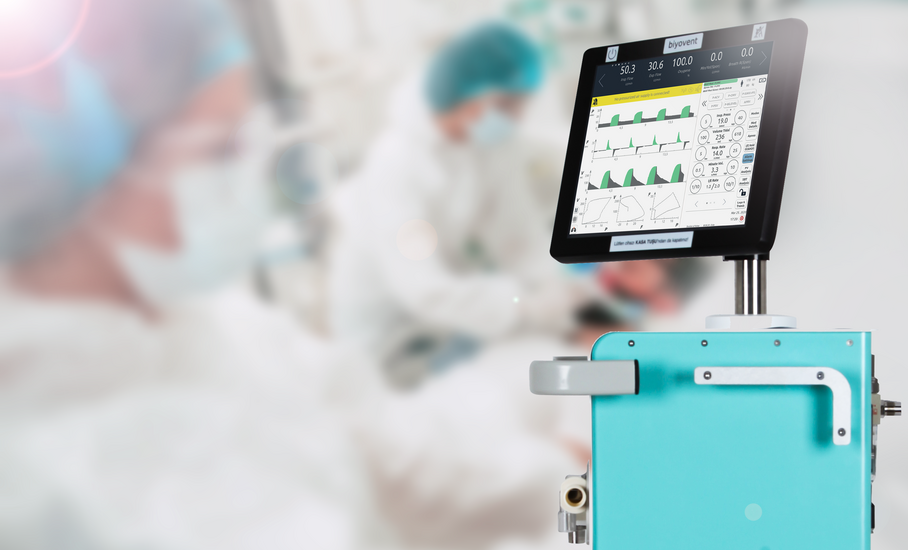
At Biosys, we take pride in being a reliable partner for our clients, demonstrating our commitment to excellence across all aspects, including Biyovent, BioAqua, BioScope, and Bio2Flow. As a supplier, we firmly stand behind the quality and functionality of these critical healthcare devices. At Biosys, we thoroughly understand the challenges that suppliers face in the medical device procurement process, and we are committed to making our clients’ jobs easier. Our focus on providing top-notch products revolves around ensuring that our medical devices meet the objectives required by the healthcare sector, comply with regulatory standards, and obtain necessary certifications from organizations such as CE, WHO, and others. Additionally, we prioritize “Economic Viability,” evaluating the cost and overall expenses of our devices while considering their potential for improvement, impact on patient outcomes, and functional efficacy. Another crucial aspect is “Device Production and Design,” where our goal is to facilitate the ease and effectiveness of healthcare professionals (doctors, nurses, etc.) in using our devices, making their jobs more manageable. “Device Orientation and Usability” is emphasized, especially for intensive care equipment, ensuring easy accessibility and user-friendly interfaces. When it comes to “Device Lifespan,” durability and quality are our primary considerations, and we offer extended warranties for our devices. Furthermore, “Device Compatibility” is thoroughly evaluated to determine how well our medical devices integrate with current healthcare facilities, preventing potential complications and ensuring patient safety. Biosys is not just a supplier; we are your committed partner in achieving success and efficiency in your medical device procurement endeavors, offering support that goes beyond the transaction.
Discover the Biosys difference and explore our innovative and reliable healthcare solutions that meet the highest standards of quality, functionality, and usability. Whether you need solutions for an Intensive Care Mechanical Ventilator with Biyovent, Ventilator Compatible Humidifier with BioAqua, Intraoperative Neuromonitoring with BioScope, or High-Flow Oxygen Therapy with Bio2Flow; Biosys will provide the solutions you need in the specified areas.